news
Chinatown’s Transportation Future Hinges on Bus Permitting and Traffic Flow Decisions
New York City’s plan to regulate Chinatown bus operators signals key choices ahead to tackle congestion and improve pedestrian safety.
How we reported this
New York City is considering a permitting system that would require Chinatown bus operators to pay for curbside use, aiming to reduce heavy congestion, noise, pollution, and improve pedestrian safety in one of the city's busiest neighborhoods. The proposal appears in an official report focused on Chinatown’s transportation challenges and potential policy responses [1].
Why Regulating Chinatown Bus Traffic Is Urgent
Chinatown’s sidewalks and streets have long been overwhelmed by the influx of commuter buses servicing regional routes. These buses often crowd curbs, disrupt pedestrian flows, and contribute to hazardous traffic conditions. The city’s recommendation for a permit fee system is prompted by escalating concerns over these impacts, as well as the need for a sustainable approach to managing curb space that balances commercial, transit, and community needs [1]. In a neighborhood where foot traffic remains a vital part of small business prosperity, ensuring safer and less obstructed passage is critical.
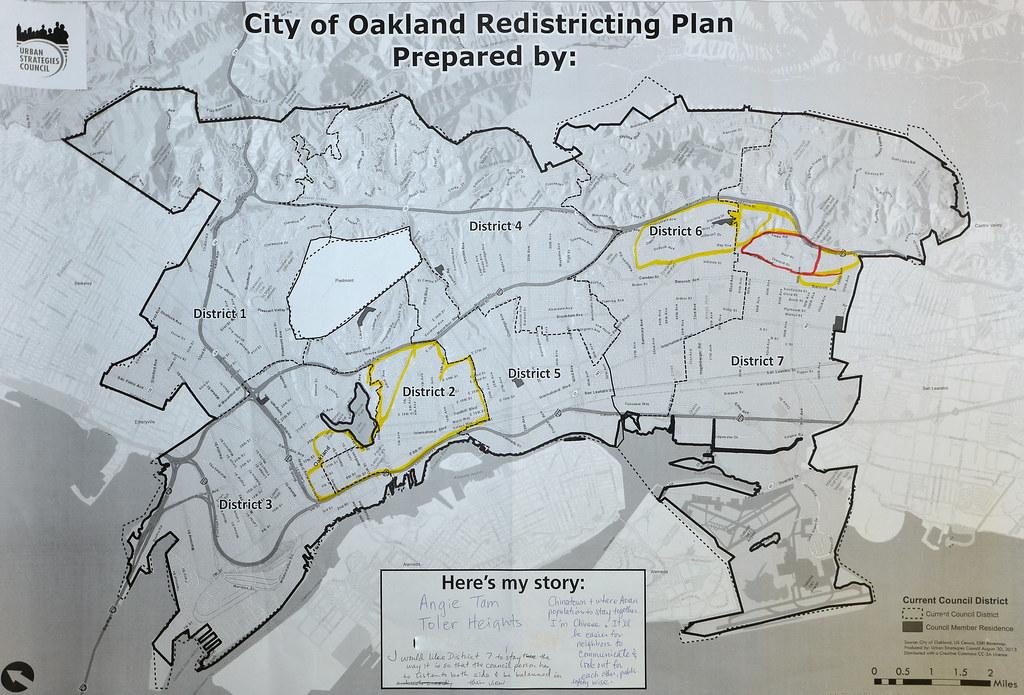
The challenge is compounded by the fact that Chinatown’s demographic includes a significant elderly population dependent on public transit, a dynamic similarly noted in San Francisco’s Chinatown planning efforts which prioritize pedestrian-friendly signal timing to support vulnerable residents [2]. Without regulatory changes, the risk of vehicular conflicts and pedestrian accidents could continue rising, as seen in Oakland’s Chinatown plan addressing elevated collision rates between dense local traffic and major through-routes [4].
Local Details and Community Impacts
Chinatown streets such as Canal Street, which recently saw high-profile commercial real estate transactions totaling over $21 million, showcase both economic potential and growing urban pressures that transportation policy must navigate [2]. While real estate deals hint at renewed investment, they also suggest that managing traffic is urgent to maintain accessibility and livability for residents and visitors alike.
The proposed permitting could transform how private bus companies access curb space, possibly imposing fees that reflect the costs of congestion and infrastructure stress. This move would be among the first targeted local regulatory steps to address longstanding complaints from residents who face noise pollution and reduced sidewalk safety due to the unregulated presence of buses. Other cities with dense Chinatowns like San Francisco and Oakland offer examples where integrating traffic and pedestrian safety objectives are central to neighborhood transportation plans [2][4].
While the report does not specify a timeline for implementing a permitting system, it reflects a growing municipal focus on curtailing unmanaged curb use, which directly contributes to traffic bottlenecks and pedestrian risk factors. This strategy is consistent with broader trends in urban transport management prioritizing permit-based access in high-demand public right-of-way areas [1].
Next Steps and What Residents Can Expect
The city council and local transportation planners will need to deliberate the terms of the proposed permit fee system, determine enforcement mechanisms, and engage with Chinatown communities and bus operators to balance competing interests. Effective implementation will require clear guidelines about application processes, fee structures, and penalties for non-compliance.
For residents and businesses, improved curbside management promises quieter streets, enhanced pedestrian environments, and potentially safer crossings, critical improvements amid rapid neighborhood changes. However, these benefits depend on robust enforcement and close coordination between city agencies and local stakeholders.
Meanwhile, residents should remain informed on public hearings and community board meetings regarding the permitting proposal. Participation can help ensure that the system addresses local concerns around accessibility, noise, and air quality effectively.
Ultimately, Chinatown's transportation decisions over the coming months could set precedents for regulating urban transportation nightmares associated with high-volume bus operations elsewhere in New York City’s neighborhoods.