property
How Much Rent Is Too Much? The 30% Rule in Practice Across Punggol
As Punggol's rental market tightens, households face a harder choice between staying within the traditional affordability guideline and keeping pace with rising costs.
How we reported this
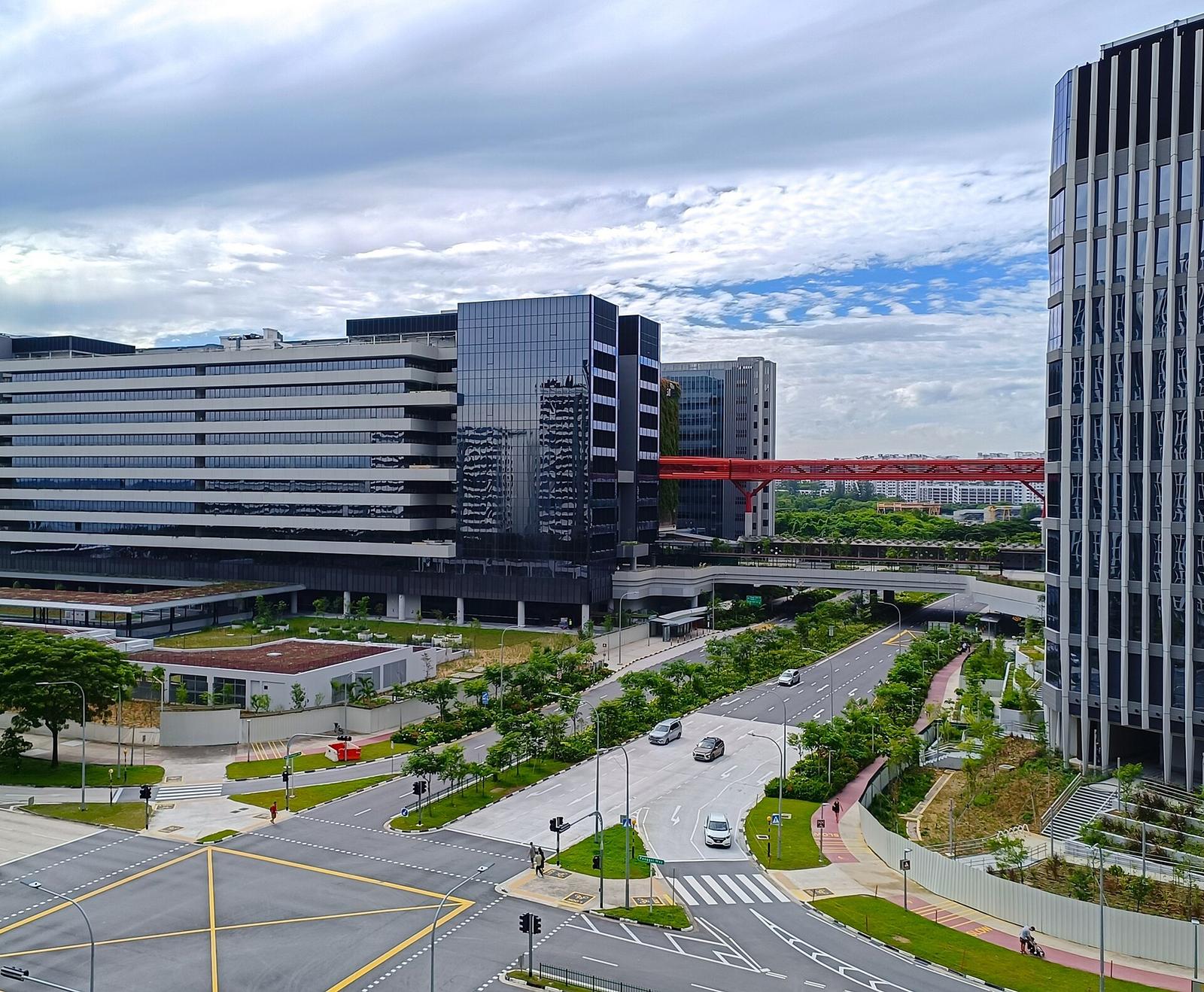
The textbook rule is simple: rent should not exceed 30% of gross household income. For a two-income family earning SGD 6,000 monthly, that ceiling sits at SGD 1,800. Yet walk through any leasing office along Punggol Road or browse property portals listing three-bedroom units near Punggol MRT station, and the gap between theory and reality becomes stark. Units that breach SGD 2,200-a third above the safety line-are moving off the market in weeks, not months.
The 30% rule, inherited from post-war housing policy frameworks, was designed to shield renters from debt spirals and forced relocations. It assumes stable employment and predictable wage growth. Punggol, Singapore's newest housing district, tests both assumptions. Between 2023 and mid-2026, the median rental price for a three-bedroom apartment across Punggol Point and the Waterfront district climbed from SGD 1,950 to SGD 2,480-a 27% spike in less than three years. For families locked into leases signed before the jump, the arithmetic turned brutal overnight.
Where the Rule Breaks Down
The Punggol East neighbourhood-anchored by the Punggol Regional Centre, a mixed-use development completed in 2021-emerged as a bellwether for this affordability crunch. New rental listings for two-bedroom units in buildings managed by Punggol Housing Association and private developers routinely start at SGD 2,100, putting them at 35% of a SGD 6,000 household income. Young professionals and early-career families face a blunt choice: accept the overage, extend their commute to lower-cost zones, or defer the move altogether.
The Waterfront area, developed around the 24-hectare Punggol Park precinct, commands a premium. A three-bedroom apartment with views of the park or waterfront now averages SGD 2,600 to SGD 2,850-well above the guideline for all but dual-income households earning SGD 9,000 or more monthly. Property agents report that renters willing to exceed the 30% threshold by 5-10 percentage points now comprise 40% of their inquiries, up from roughly 25% two years ago.
The Data Behind the Shift
Singapore's Urban Redevelopment Authority reported in May 2026 that median household income across the Punggol planning area stood at SGD 8,200, yet the gap between income growth (2.1% annually since 2021) and rental inflation (6.8% annually over the same period) has widened systematically. For renters in the bottom income quartile-households earning under SGD 4,500-the 30% rule becomes a fiction. They pay closer to 45-50% of income toward rent, forcing trade-offs in food, transport, and healthcare spending.
The Punggol Citizens' Advisory Panel flagged this disparity in a March 2026 community consultation. Respondents reported that the availability of rental units at or below SGD 1,800 has shrunk to fewer than 8% of active listings, concentrated in older apartment complexes and less-connected corridors away from Punggol MRT and the bus interchange.
Renters face a practical fork. Some extend lease terms to spread the pain, locking into longer contracts at fixed rates despite higher total outlay. Others tap central provident fund (CPF) savings intended for retirement or healthcare to bridge the gap. A smaller cohort-roughly 15-20% based on agent anecdotal feedback-relocate farther out, accepting longer commutes to Jurong, Sengkang, or even Johor Bahru, where rents align closer to the 30% threshold.
Policymakers and advocacy groups now debate whether the 30% rule deserves updating. Some argue it should float with regional income and rental trends; others contend it should remain as a policy target, signalling that rents at or above 35% warrant intervention through housing supply programs or renters' subsidies. Until that conversation yields action, Punggol residents will keep doing the math themselves-and too often find it doesn't add up.
This article is general information only and is not personal financial or investment advice. Consider your own circumstances and seek licensed professional advice before making financial decisions.