wellness
Chinatown Wellness Leaders Master Sleep Science Routines for Better Rest
Researchers have mapped the precise window before bed where your habits can make or break a full night's rest, and Chinatown's wellness community is already ahead of the curve.
How we reported this
The number is stark: adults need between seven and nine hours of sleep per night, yet the American Academy of Sleep Medicine estimates that roughly one in three adults regularly falls short. The gap between knowing that and fixing it comes down to what happens in the 90 minutes before you close your eyes.
Sleep scientists call it the pre-sleep window, and the research is increasingly specific about what works. Core body temperature needs to drop about one degree Celsius to trigger sleep onset. Cortisol, the stress hormone, must be in retreat. Blue-spectrum light from screens suppresses melatonin production for up to three hours after exposure. These are not soft suggestions. They are the mechanics of why so many people lie awake staring at the ceiling.
The conversation matters right now because hormone health is getting renewed scrutiny globally. Discussions around melatonin supplementation and cortisol management have moved from specialist clinics into mainstream wellness spaces, a shift that makes community-level habits more relevant than ever. For those living and working around Chinatown's dense, late-running streets, where restaurants on Dixon Street are still full at 10 p.m. and the ambient light never fully fades, building a deliberate evening routine takes real intention.
What the Science Actually Recommends
The evidence-backed protocol looks roughly like this. Stop eating two to three hours before bed, late meals raise core body temperature and keep digestion active, which competes directly with sleep pressure. Dim overhead lights by 9 p.m. and switch to warm-toned lamps under 3000 Kelvin. Take a warm shower or foot soak about 90 minutes before sleep, which paradoxically cools the body by drawing blood to the skin's surface. Avoid alcohol; it fragments sleep architecture in the second half of the night even when it helps you fall asleep initially.
Breathwork is gaining traction as a cortisol-management tool. The 4-7-8 technique, inhale for four counts, hold for seven, exhale for eight, activates the parasympathetic nervous system within minutes. A 2023 study published in the Journal of Clinical Medicine found that slow-paced breathing interventions reduced sleep-onset latency by an average of 11 minutes in adults with mild insomnia.
Magnesium glycinate supplementation has also attracted serious research attention. A clinical review published in Nutrients in 2024 found consistent evidence linking adequate magnesium intake with improved sleep efficiency, particularly in adults over 40. Standard supplementation doses in the trials ranged from 200mg to 400mg taken one hour before bed.
Where Chinatown's Wellness Scene Fits In
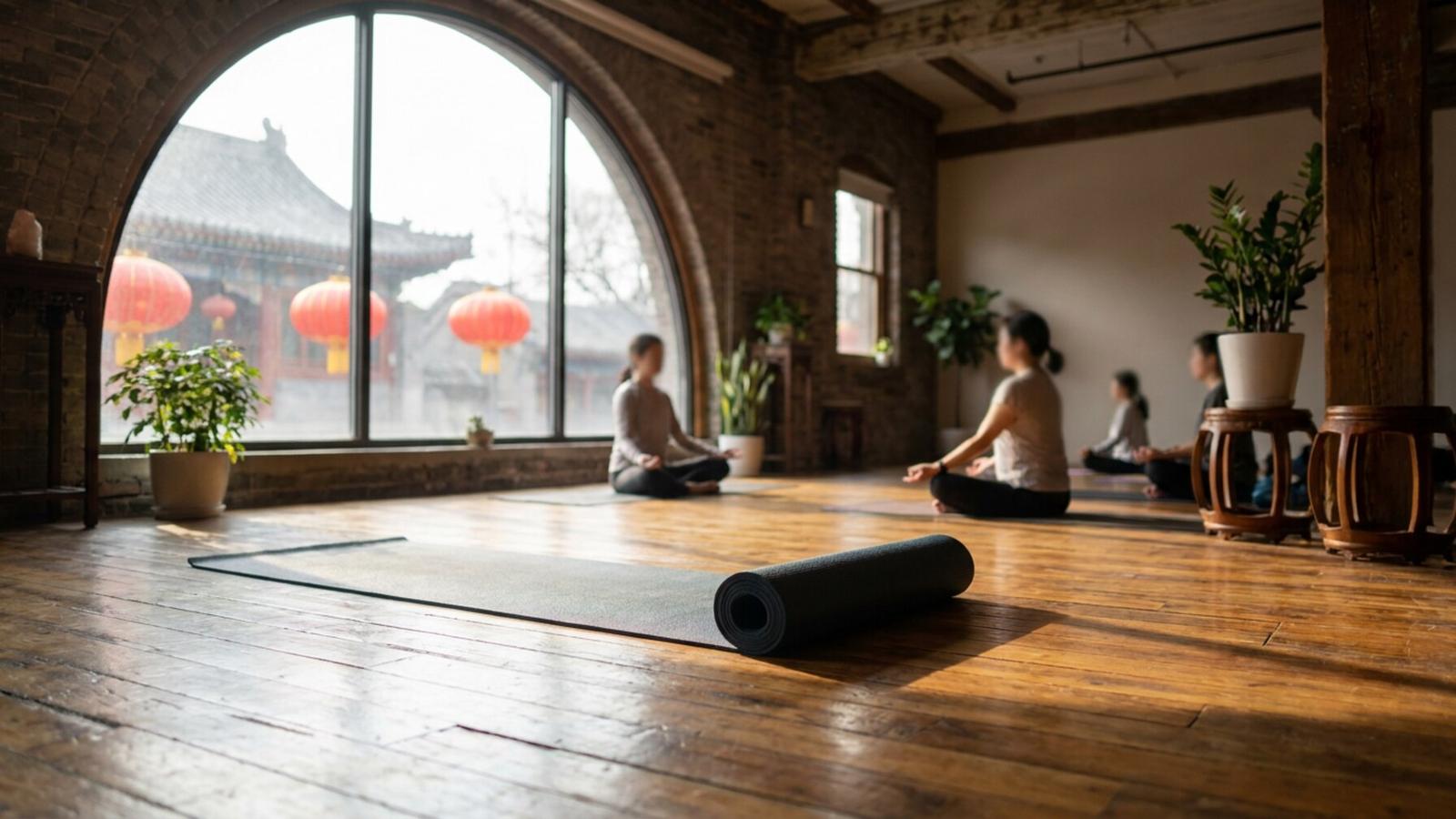
Within Chinatown's own wellness corridor, practitioners are already weaving these principles into their offerings. The Sze Yup Association on Hay Street runs a weekly qigong session on Thursday evenings that, whatever its practitioners might say about tradition, functions as a textbook parasympathetic activator, slow movement, controlled breathing, dim temple lighting. Attendance has grown steadily since 2024, with Thursday evening sessions now drawing around 35 participants.
A block north, along the retail stretch of Little Bourke Street precinct, the herbal dispensary Fook Hing Trading stocks dried longan, lotus seed, and lily bulb, three ingredients that appear in classical Chinese medicine sleep formulations and have shown mild sedative properties in preliminary pharmacological studies. A standard two-week preparation costs between $18 and $28 depending on the blend.
For those who prefer a structured program, the Chinatown Community Health Centre on Campbell Street offers a six-week sleep hygiene workshop series. The next intake begins 14 July 2026, with sessions running Tuesday evenings from 6:30 p.m. Places are limited to 20 participants and registration is open now through their front desk.
The practical starting point is simpler than any program. Pick a consistent target bedtime. Work backward 90 minutes. Turn the lights down, put the phone face-down, and let your nervous system do what it already knows how to do. The science is not asking for a dramatic overhaul, just a deliberate window. If you have specific concerns about sleep disorders or hormonal health, a local medical professional is the right first call before reaching for any supplement.