wellness
Social Connection as Medicine: How Chinatown Is Fighting the Loneliness Epidemic
Researchers now rank chronic loneliness as dangerous to health as smoking 15 cigarettes a day, and Chinatown's dense, communal streetscape may be one of the best prescriptions going.
Listen in English · 4 min
How we reported this
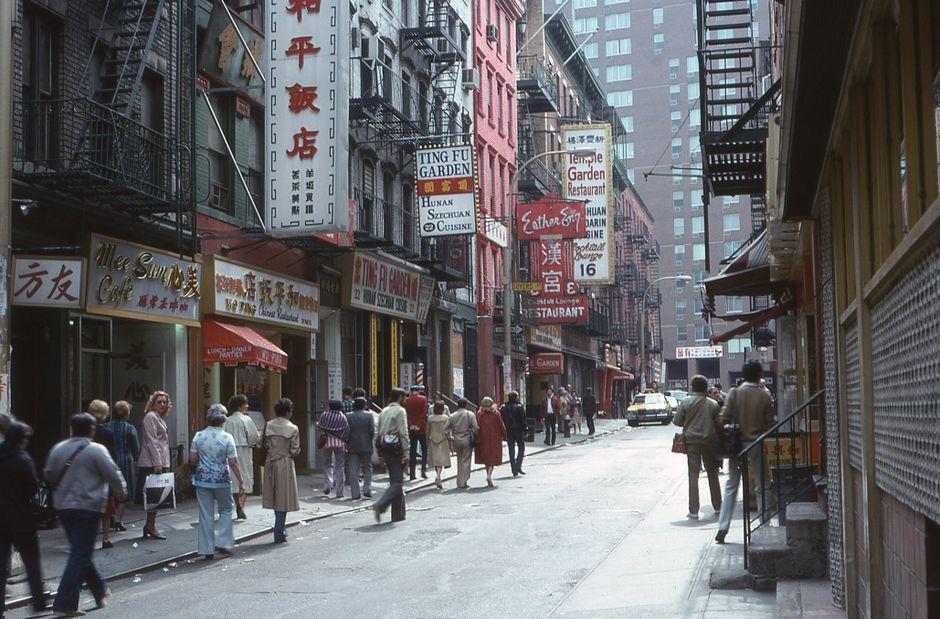
Loneliness is not a feeling. It is a physiological state, and it is shortening lives. The U.S. Surgeon General's 2023 advisory put a number on it: social isolation increases the risk of premature death by 26 percent. That figure hasn't budged, and mental health practitioners who work in dense urban communities say the problem has deepened through 2025 and into this year, even in neighbourhoods where foot traffic never really stopped.
Chinatown, with its layered generations, its temple corridors, its tea houses and its sidewalk commerce along Mott Street and Canal Street, carries a reputation for communal life. That reputation is partly deserved and partly mythologised. Elders who arrived decades ago built tight webs of mutual aid. But younger residents, renters cycling through, and small-business workers clocking twelve-hour shifts often describe a different reality: surrounded by people, genuinely isolated.
Why This Moment Is Different
The conversation around hormones, sleep and stress, all of which spiked in mainstream health coverage this week, tends to ignore the social substrate underneath. Cortisol levels drop measurably in the presence of trusted companions. Melatonin cycles regulate more reliably when daily social rhythm gives the body temporal cues. In short, connection is not a soft benefit. It is a biological input, as concrete as diet or exercise. The Chinatown Health Clinic, operating on Centre Street since 1971, has tracked mental health presentations among its patient population for years and reports that anxiety and low mood consistently correlate with reduced social contact, particularly among adults over 60 and young adults between 18 and 30.
The economics complicate matters. With housing costs compressing household sizes in Lower Manhattan, multigenerational living, once the default in the neighbourhood, has become harder to sustain. Some families have scattered to Flushing or Sunset Park. Those who remain can find themselves with smaller immediate networks than their parents had at the same age.
What Chinatown Actually Offers
The infrastructure for connection is real, if you know where to find it. The Chinatown YMCA on Bowery runs group fitness programs specifically designed for Mandarin and Cantonese speakers, with classes seven days a week and a sliding-scale membership that starts at $10 per month for qualifying low-income residents. Participation in group exercise, multiple studies confirm, delivers mental health benefits beyond the physical, the social bonding during a shared activity accounts for a measurable portion of the mood improvement.
The Museum of Chinese in America on Centre Street runs regular community programming, including its Lunar New Year oral history evenings and a quarterly neighbourhood storytelling series. These are not peripheral cultural events. They are, functionally, structured opportunities for intergenerational contact, the kind that research from the University of California, San Diego identifies as particularly effective at reducing loneliness scores on standardised UCLA Loneliness Scale assessments.
On a smaller scale, the tea houses clustered around Doyers Street perform a social function that is easy to underestimate. Regular patrons at a dim sum counter develop what sociologists call "weak ties", acquaintances who are not close friends but who provide low-level social contact that buffers against isolation. These interactions matter. A 2022 paper in the journal Nature Human Behaviour found that the frequency of weak-tie interactions predicted wellbeing scores almost as strongly as close friendships did.
The practical advice from mental health professionals working in this neighbourhood is straightforward: build a minimum of three recurring, face-to-face social touchpoints into each week. One can be structured, a class, a program, a volunteer shift. One can be commercial, a regular table at a tea house, a familiar vendor at the Columbus Park market on Mulberry Street. One should involve a different age group than your own. That last instruction sounds simple. It is, and the evidence behind it is substantial.
If you are experiencing persistent low mood or anxiety, speak with a clinician at the Chinatown Health Clinic or your own general practitioner before making changes to any health routine. Social connection supports mental health, it does not replace professional care when care is needed.