wellness
Jurong East Wellness Community Builds Mental Resilience Through Daily Habits
Jurong East's wellness community is quietly proving that mental fitness doesn't require grand gestures, just consistent, manageable rituals woven into ordinary days.
How we reported this
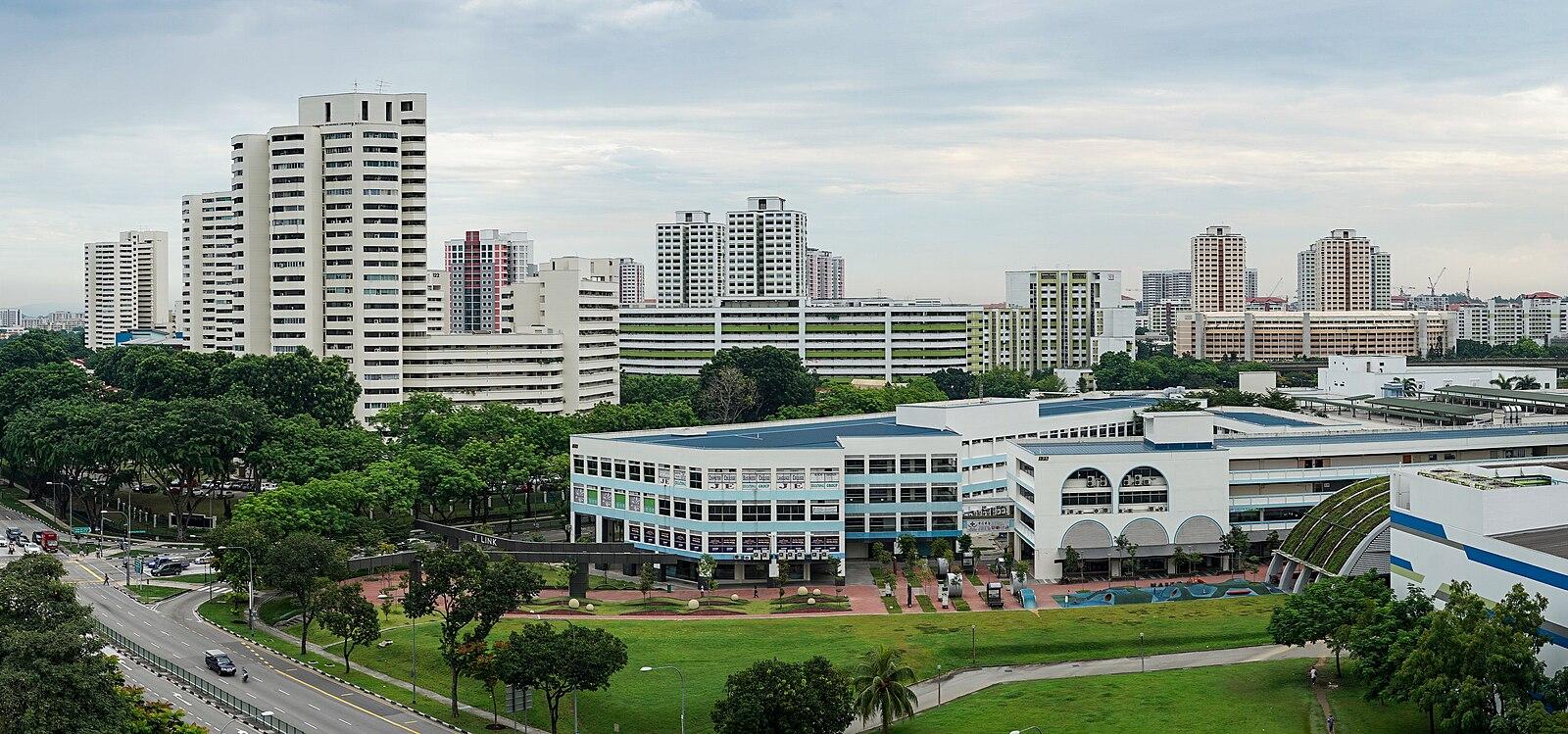
Burnout rates among working adults in Singapore hit a record high last year, with a 2025 Cigna Healthcare survey finding that 84 percent of Singapore employees reported feeling stressed, among the highest figures recorded in the Asia-Pacific region. In Jurong East, where a dense mix of corporate offices, polytechnic campuses and young families pack the precinct around Jurong Gateway Road, that number lands with particular weight.
The conversation around mental health has shifted. Therapists and community programme coordinators alike are steering residents away from the idea that resilience is a personality trait you either have or don't. The emerging consensus, backed by behavioural research, is that psychological durability is built the same way physical fitness is, through repetition, through small loads applied consistently over time.
That framing matters right now because economic uncertainty is compounding everyday pressure. Housing affordability concerns across the region, wavering job market confidence and the relentless pace of technological change are all feeding background anxiety for many residents. Wellness practitioners in the Jurong Lake District area say they have seen a measurable uptick in residents seeking support not for acute crisis, but for persistent, low-grade stress they can no longer shrug off.
What the Evidence Says About Small Habits
The science behind micro-habits and mental resilience is not new, but it is becoming harder to ignore. A 2023 meta-analysis published in the journal Clinical Psychology Review examined 46 studies and found that brief, consistent mindfulness practices, as short as ten minutes daily, produced statistically significant reductions in cortisol levels and self-reported anxiety over eight weeks. The key variable was not duration but regularity. Missing one or two sessions made almost no difference; abandoning the habit for more than four consecutive days largely erased the gains.
Locally, the Institute of Mental Health's National Population Health Survey data from 2024 showed that approximately one in seven people in Singapore met the criteria for at least one mental health condition during their lifetime, a figure that has risen steadily since 2016. Community-based programmes designed for early intervention, rather than clinical treatment, are increasingly being positioned as the first line of response.
Jurong East's Everyday Resilience Toolkit
The options within the precinct are more varied than many residents realise. The ActiveSG circle at Jurong East Sports Centre on Jurong East Street 31 runs structured mindful movement sessions on Tuesday and Thursday mornings, typically priced at between $2 and $5 per session for residents holding an ActiveSG account. The centre's programming team confirmed this year that attendance at its low-intensity movement classes, think qigong, gentle yoga and guided stretching, has grown by roughly 30 percent since January 2026.
Across the Jurong Lake Gardens at Yuan Ching Road, the natural environment itself functions as an accessible stress-management resource. Research from the National University of Singapore's Department of Psychology has repeatedly identified green-space proximity as a meaningful buffer against anxiety in high-density urban settings. A ten-minute walk through the gardens' Lakeside Garden section, particularly in the cooler morning hours between 6.30am and 8am, offers residents a low-cost, repeatable reset that fits within a commuter's schedule.
For those who prefer structure, the Community Health Assist Scheme, operational at several GP clinics near Jurong East MRT, now includes subsidised referrals to mental wellness support, capping out-of-pocket costs for eligible residents at around $10 per session. The scheme covers initial psychological assessments and follow-up counselling, removing a significant financial barrier that previously kept many working adults from seeking early help.
Practitioners working in this space consistently emphasise the same starting point: pick one habit, practise it for three weeks before adding a second, and treat disruptions as data rather than failure. A five-minute journalling session at the Westgate food court before the morning rush, a deliberate screen-free lunch in the gardens, a brief breathing exercise at the desk before the afternoon meeting block, none of these cost money or require a gym membership. They require only the decision, repeated. That, increasingly, is what resilience looks like in Jurong East on an ordinary Friday. Start there.