wellness
Punggol Construction, Heat, Light Rob Residents of Sleep Nightly
Punggol's round-the-clock construction hum, perpetual street lighting and tropical heat are combining to steal hours from residents' nights, here's what the science says and what you can do about it.
How we reported this
Singapore's average overnight temperature has climbed to 27.1°C, according to the Meteorological Service Singapore's 2025 climate summary, a figure that sleep researchers say sits well above the 18-20°C sweet spot the human body needs to drop into deep, restorative sleep. For Punggol residents, that number is not abstract. It lands every night the moment you pull back the sheets.
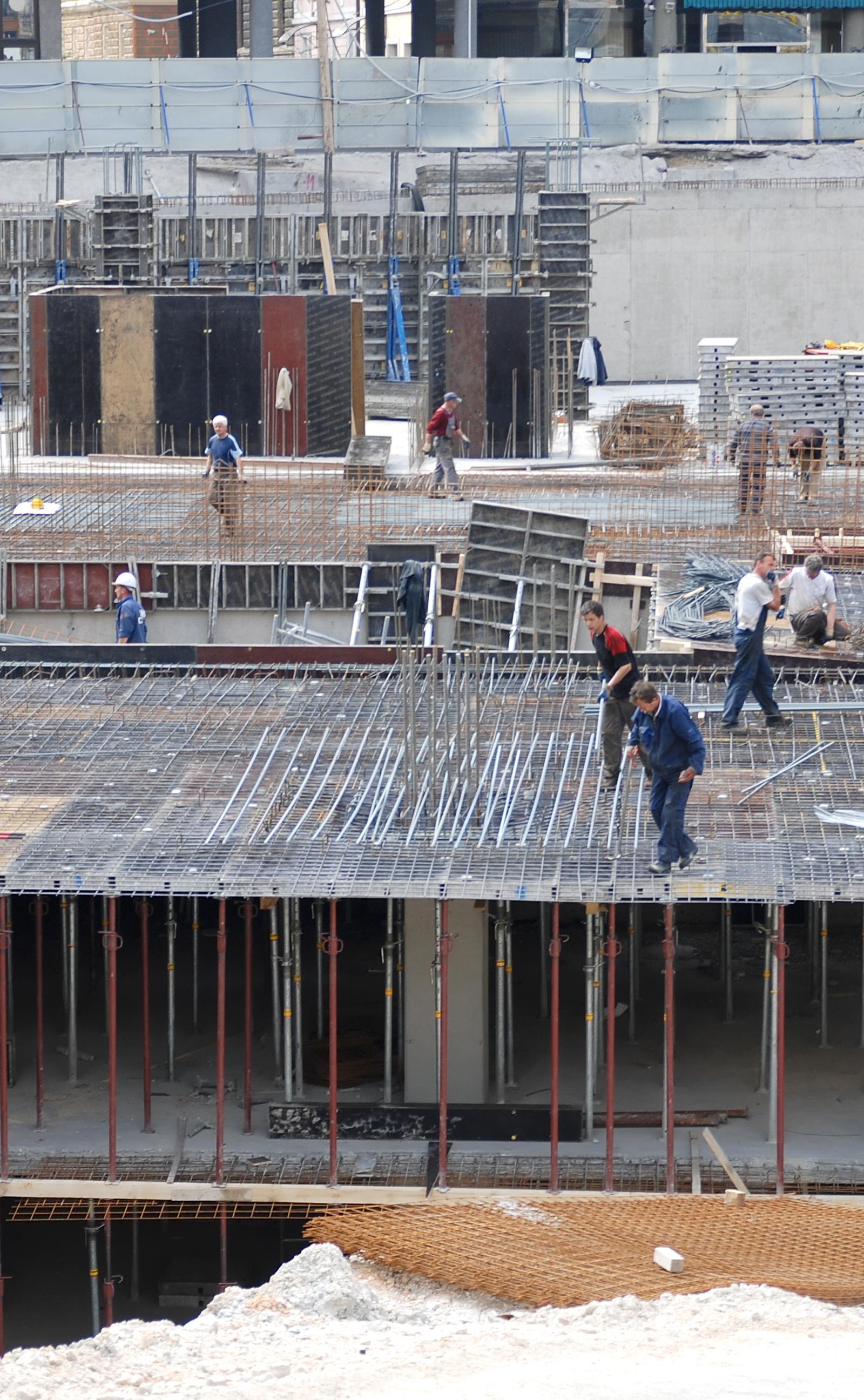
The timing matters. Punggol is mid-transformation. The Punggol Digital District is operational but still expanding; the Cross Island Line's Punggol Extension works continue along Punggol Road; and the waterfront promenade at Punggol Point Jetty, increasingly popular after 10pm for joggers and cyclists, pulses with ambient light and foot traffic well past midnight. All three, heat, light, noise, are documented disruptors of sleep architecture, and Punggol residents are living inside all of them simultaneously.
What the Research Actually Shows
A 2024 study published in the journal Sleep Medicine found that each 1°C rise in bedroom temperature above 24°C reduces slow-wave sleep, the stage responsible for physical recovery, by roughly 5 to 10 minutes per night. Compound that across a week and you are losing close to an hour of the sleep your muscles and immune system actually depend on. The findings held across humid tropical climates specifically, making them directly relevant here.
Light is the second thief. The body's suprachiasmatic nucleus, the internal clock sitting in the hypothalamus, responds to blue-spectrum light by suppressing melatonin production. Punggol's LED street lighting along Punggol Walk and the brightly illuminated facades of Waterway Point shopping mall on Northshore Drive emit substantial blue-spectrum glow. Residents in north-facing units on lower floors of HDB blocks near the Town Hub frequently report difficulty winding down before midnight, a pattern consistent with what sleep scientists call social jet lag, the body clock running two to three hours behind its biological ideal.
Noise compounds the problem. A World Health Organisation guideline sets 40 decibels as the outdoor nighttime limit for preserving sleep quality. Construction activity associated with Punggol's ongoing development has registered nighttime readings above 55 decibels at monitoring points near Coney Island Park, based on figures cited in National Environment Agency enforcement records. Even sounds that do not fully wake a sleeper can push the brain out of REM sleep into lighter stages, fragmenting the night without the person ever knowing.
Practical Steps That Actually Help
The good news is that all three variables respond to relatively low-cost interventions. On temperature, the Health Promotion Board recommends setting aircon to between 23°C and 25°C and using a timer to prevent over-cooling after 3am, when core body temperature naturally drops. A ceiling fan running alongside a modestly set aircon unit costs roughly $0.08 less per hour in electricity than aircon alone at full blast, meaningful across a month.
For light, blackout curtains rated at 99% opacity are available at IKEA Tampines from $29.90 per panel. Residents can also enable the Night Shift setting on phones and tablets by 9pm to shift screen output away from blue wavelengths. The Punggol ActiveSG Circle club at Punggol Sports Centre on Punggol Central offers a weekly sleep wellness workshop series, running on the second Saturday of each month, which covers both light hygiene and relaxation techniques without charging membership fees.
Noise is harder to fix at source, but easier to mask. White noise machines, available from about $45 at electronics retailers in Waterway Point, generate a steady acoustic blanket that research shows reduces sleep-onset time by an average of 38%, according to a 2023 meta-analysis in Frontiers in Neuroscience. Foam earplugs rated NRR 33 cost under $5 and cut construction rumble substantially for residents whose units face Punggol Road directly.
None of these measures require a prescription or a specialist referral, though anyone experiencing chronic insomnia, daytime fatigue or mood disruption linked to poor sleep should speak with a GP at Punggol Polyclinic on Punggol Field Road before self-treating. The polyclinic runs evening slots until 8.30pm on weekdays. Start there, then start with the curtains.