wellness
Punggol Residents Discover 5 Top Meditation Classes and Apps for 2026
From waterfront sit-down sessions to algorithm-driven breathing apps, here's where Punggol residents are finding their calm in 2026.
How we reported this
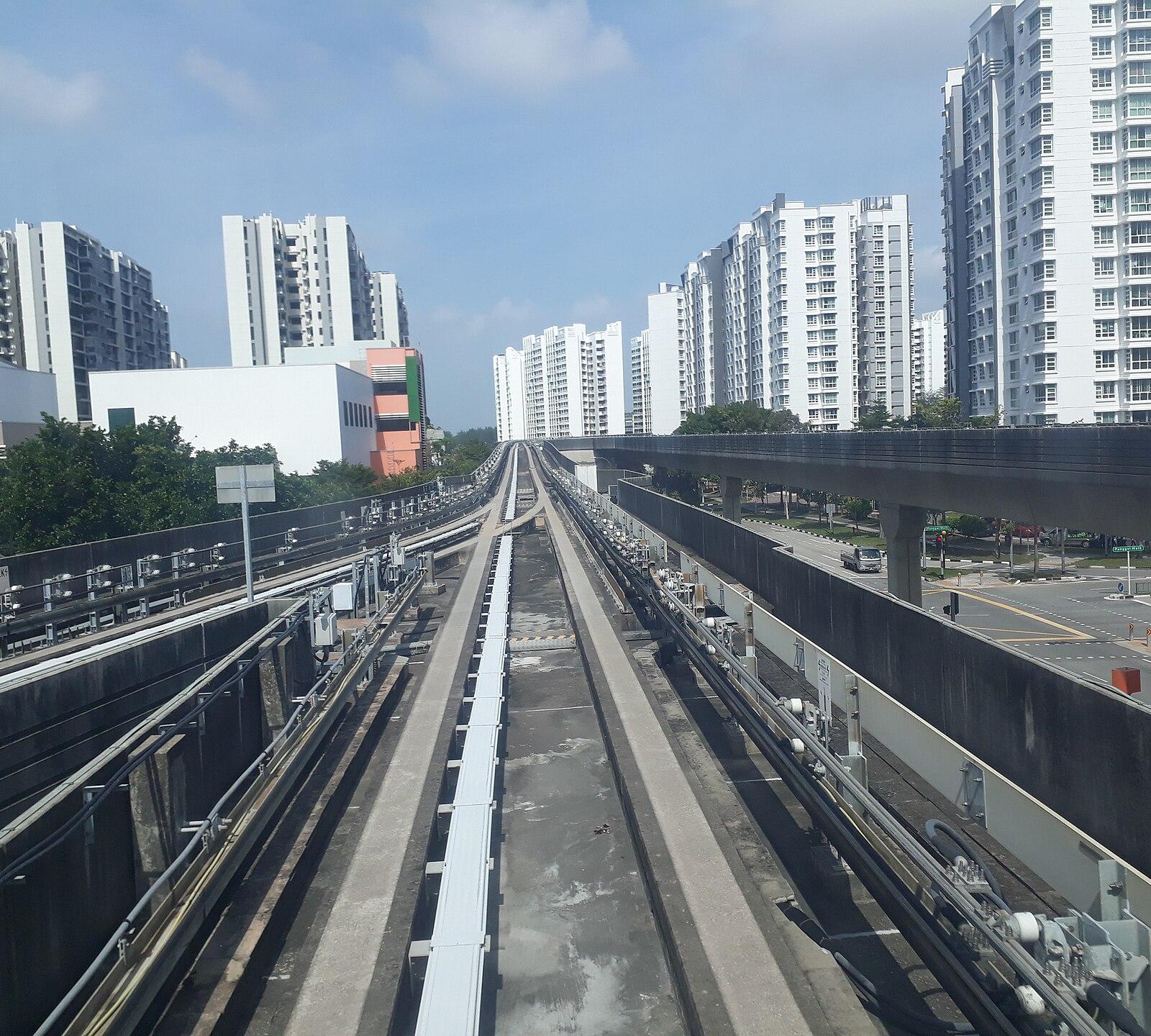
Demand for structured meditation in Punggol has jumped sharply this year. Waitlists at two community-run mindfulness programmes in the Punggol Digital District have stretched to three weeks, and at least four new guided-session groups have registered with ActiveSG since January. The town that built its identity around waterways and running paths is now just as serious about the space between the ears.
The timing isn't accidental. Workplace stress data collected by the Health Promotion Board in its 2025 National Mental Well-being Survey found that 38 percent of Singapore residents aged 25 to 44 reported feeling mentally exhausted for at least four days a week, the highest proportion recorded in that age bracket. Punggol, with its dense concentration of tech workers and young families in estates like Waterway Sunbeams and Northshore Residences, sits squarely in that demographic sweet spot. When hormone health, sleep quality and burnout are all circulating as mainstream concerns, meditation stops being a wellness luxury and starts looking more like basic maintenance.
Where to Show Up in Person
The most established option is the Mindful Mornings group that meets every Saturday at 7 a.m. beside Punggol Waterway Park's Nenas Bridge. It's free, run by volunteers certified under the Mindfulness-Based Stress Reduction curriculum, and consistently draws between 25 and 40 people. Beginners are welcome; sessions run about 45 minutes and include a short body-scan sequence followed by open sitting. No booking required, just show up with a mat.
For something more structured, the Punggol Community Club on Punggol Central runs an eight-week Mindfulness Fundamentals course through its Mind-Body Wellness programme, priced at $68 for residents with a Community Club membership or $88 without. The next cohort starts 19 July. Classes are held Tuesday evenings at 7:30 p.m. and cap at 20 participants, which means the current registration queue is already 14 names long. The CC has run the programme quarterly since 2024 and reports a completion rate above 80 percent.
Jewel @ Punggol, the mixed-use development along Punggol Road, hosts a private studio called Still Space that opened in March. Drop-in sessions cost $22 each; a monthly unlimited pass is $120. The studio specialises in breathwork-led meditation and offers lunchtime 30-minute express sessions on weekdays, aimed squarely at professionals who can't give up a full hour. Still Space also runs a monthly women-only evening session on the last Thursday of each month, which regularly sells out within 48 hours of opening bookings.
Apps That Actually Work for a Punggol Schedule
Not everyone can make a fixed weekly slot. For those working irregular hours or managing young children in flats along Rivervale Crescent, apps offer a practical workaround. Insight Timer remains the strongest free option, it hosts more than 180,000 guided meditations, including several recorded specifically in Singapore by local teachers, and its offline-download feature handles the occasional dead zone around Punggol MRT's bus interchange exits.
Paid apps worth the subscription: Calm runs at $79.99 a year and has added a sleep-focused meditation track designed around equatorial heat and ambient city sound profiles, updated in May 2026. Waking Up, at $99.99 annually, suits people who want philosophy alongside practice, its foundational course takes about 30 sessions to complete and is methodologically rigorous without being clinical.
A Singapore-built option gaining traction is Ansa, a bilingual Mandarin-English meditation app developed by a team based at one-north and available since late 2025. Its three-minute micro-sessions are designed for MRT commutes, which makes it genuinely compatible with the Punggol-Sengkang corridor. Monthly subscription is $6.90.
The practical advice is simple: start with the Saturday waterway sessions to gauge whether group practice suits you before paying for anything. If you miss three consecutive Saturdays, buy the CC course, the external accountability of a fixed cohort and a paid registration makes a measurable difference in consistency. Use an app to bridge the gaps in between. The infrastructure is here. The harder part, as anyone who has sat quietly for ten minutes knows, is just deciding to begin.