wellness
Why Punggol Residents Are Sleeping Worse, And What You Can Do About It Tonight
From late-night screen exposure to shift work along Punggol's growing commercial corridors, a quiet sleep crisis is building in one of Singapore's most active towns.
How we reported this
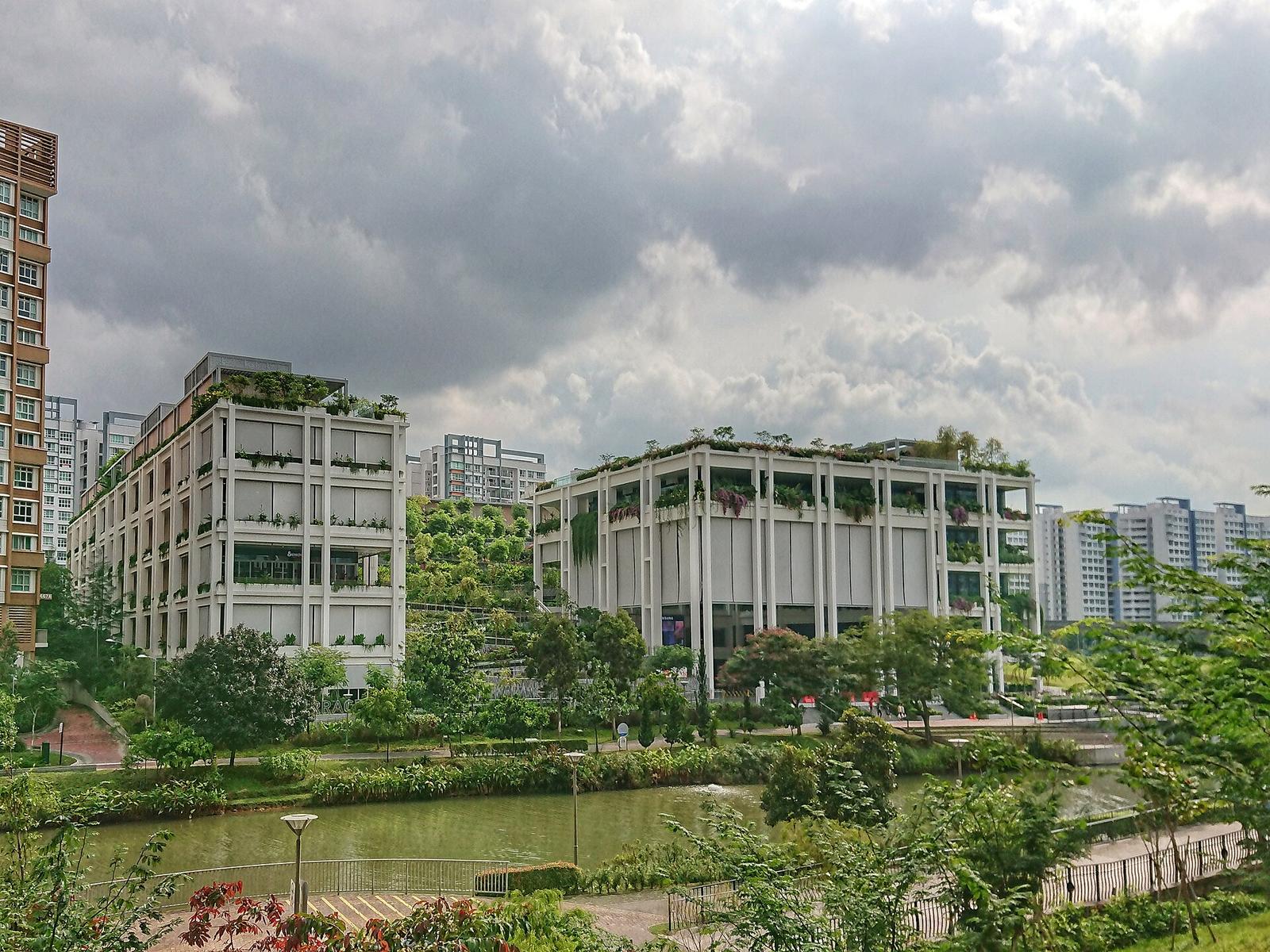
Sleep is breaking down. Across Singapore, surveys have repeatedly flagged the city-state as one of the most sleep-deprived populations in Asia, with average nightly sleep duration hovering below seven hours for working adults, well short of the eight hours recommended by sleep medicine bodies internationally. In Punggol, where rapid residential growth has packed tens of thousands of newer households into districts like Waterway Ridges, Northshore, and Matilda, the pressures compounding that deficit are increasingly hard to ignore.
The timing matters. July 2026 marks roughly a decade since Punggol was formally built out as Singapore's first eco-town, a development that promised green corridors, waterway promenades, and a lifestyle oriented around movement and health. The town has largely delivered on that physical infrastructure. But sleep, the recovery half of any serious wellness regime, has not kept pace with the jogging tracks and kayaking spots along Punggol Waterway Park.
What Is Keeping Punggol Awake
Three forces are converging. First, the shift-work economy: Punggol Point Road and the Punggol Digital District at Punggol Walk house a growing cluster of tech firms, logistics hubs, and 24-hour operations. Workers on rotating shifts are physiologically fighting their own circadian rhythms several nights a week. Circadian disruption has been linked in peer-reviewed literature to increased risk of cardiovascular disease, metabolic disorder, and impaired cognitive function, the kind of long-term damage that does not announce itself until it does.
Second, screen exposure has worsened since the post-pandemic normalisation of remote and hybrid work. Housing estates like Punggol Northshore, where smart-home integration is standard, mean residents are surrounded by connected devices that emit blue-spectrum light well into the night. Blue light from LED screens suppresses melatonin production, the hormone that signals the body to prepare for sleep. The effect is measurable: research published in the journal Sleep Medicine Reviews has found that two hours of screen exposure before bed can delay melatonin onset by 90 minutes in some adults.
Third, thermal discomfort. Singapore's nocturnal temperatures have trended upward over the past decade. The Meteorological Service Singapore has recorded that urban heat island effects are pronounced in denser precincts. Punggol's high-rise blocks, particularly those closer to Punggol MRT and Sengkang General Hospital along Sengkang West Avenue, retain heat well after sunset. Sleep science is clear that core body temperature must drop for sleep onset to occur. Running air conditioning all night adds between S$40 and S$80 to a monthly utility bill for a typical three-room HDB flat, a real financial disincentive for younger households.
What the Evidence Suggests, And What to Try
There is no pharmaceutical shortcut that works long-term for lifestyle-driven insomnia. The evidence base consistently points toward behavioural change. Cognitive Behavioural Therapy for Insomnia, known as CBT-I, is considered the gold-standard first-line treatment by the American Academy of Sleep Medicine and is increasingly available through telehealth platforms operating in Singapore, including some listed on the Ministry of Health's HealthHub portal.
Locally, Punggol residents have practical options. The ActiveSG gym at Waterway Point, open until 10 p.m. on weekdays, runs structured fitness programming that can help regulate sleep pressure, provided exercise ends at least two hours before bed. For those who prefer outdoor activity, the 4.2-kilometre Punggol Waterway Loop offers a cooler environment after 8 p.m. than enclosed spaces, useful for an evening wind-down walk without the thermal stress of peak afternoon hours.
Punggol Community Club on Punggol Field has periodically offered mindfulness and stress-management courses under the People's Association network, worth checking the PA's website for the July-September 2026 programme cycle, which typically opens for registration in the first week of July.
The simplest interventions cost nothing. Set a consistent wake time seven days a week, not just weekdays. Keep the bedroom below 25 degrees Celsius if possible. Move devices out of the bedroom entirely. Avoid caffeine after 2 p.m. None of these are novel. The difficulty is that they require discipline in a town that rarely stops moving. Sleep, for Punggol, is the next wellness frontier, and it starts well before midnight.
For personalised sleep or health concerns, consult a GP or specialist at Sengkang General Hospital or a polyclinic in your district.