wellness
Punggol Residents: How Screen Time Actually Disrupts Your Sleep Quality
Forget the folk wisdom about phones before bed, the science is more nuanced, and for Punggol residents juggling late-night scrolling with early MRT commutes, the details matter.
How we reported this
Blue light is not the villain it was made out to be. That is the headline finding from a growing body of sleep research that has quietly dismantled one of wellness culture's most repeated rules, and it has real implications for the way people in Punggol wind down each night.
The conventional advice has been drilled in for years: put the phone down 90 minutes before bed, because the blue wavelengths emitted by screens suppress melatonin and wreck your sleep. Researchers at the University of Oxford published findings as recently as 2024 showing that blue light exposure from a standard smartphone screen had a negligible effect on melatonin suppression compared to the cognitive stimulation, the rapid scrolling, the emotional engagement, the unresolved news cycle, that the device delivers. The light, it turns out, is largely a red herring. The content is the problem.
Why This Matters Here, Now
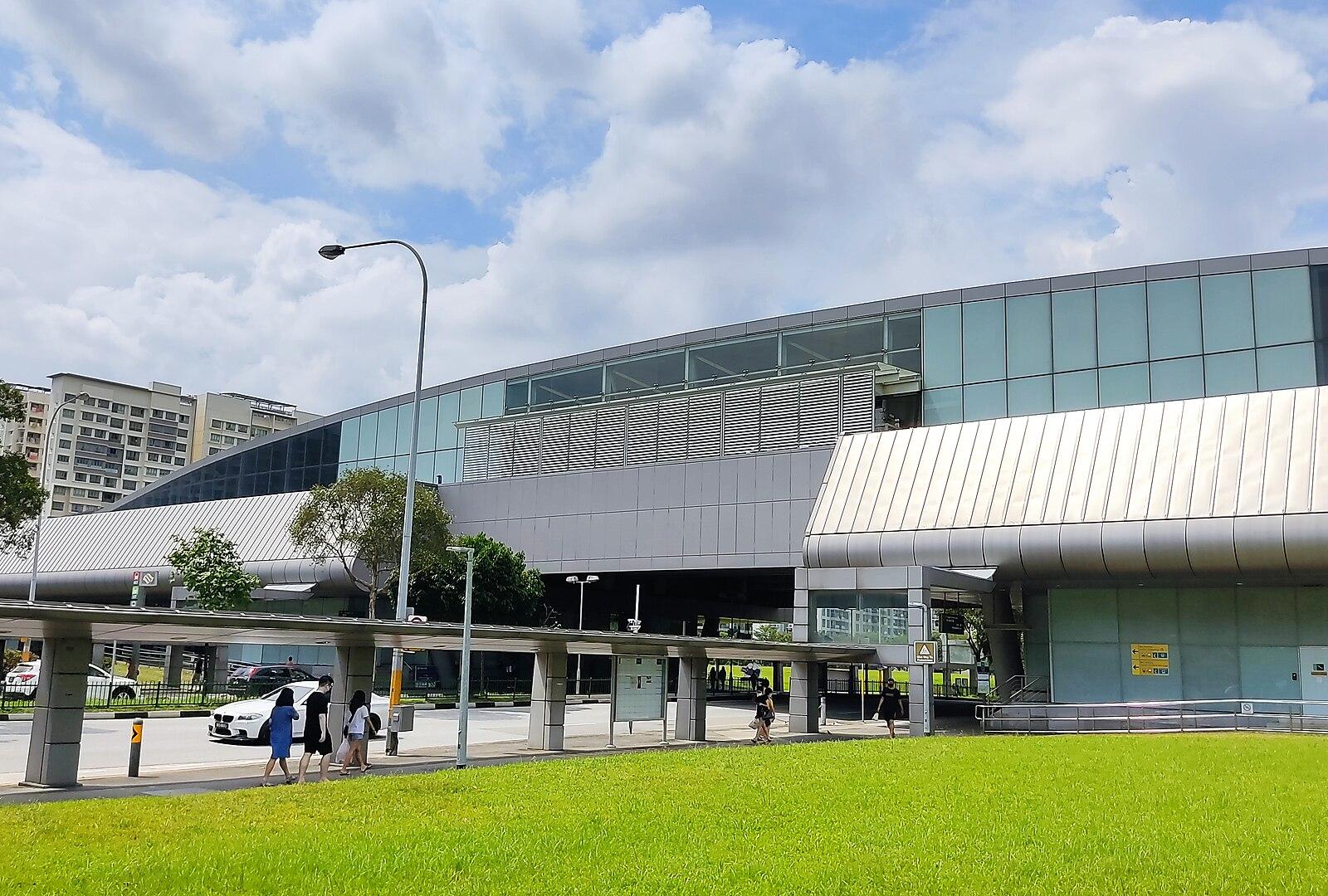
Punggol's population skews young and digitally wired. The Punggol Digital District, anchored along Punggol Walk near the Singapore Institute of Technology campus, has drawn thousands of tech workers and students into a precinct where the workday bleeds into the evening almost by design. Flexible hours, remote collaboration across time zones, and the ambient pressure of always-on communication push screen use deep into the night for many residents. Nationwide, the Health Promotion Board's 2024 National Population Health Survey found that only 58 percent of Singapore adults reported getting seven or more hours of sleep on weekdays, a figure that sleep researchers consider a population-level concern.
At Waterway Point on Punggol Central, the wellness studio Ritual Room has been running a Thursday evening programme since March 2026 called Digital Detox and Deep Rest, a 75-minute session combining breathwork with a structured phone-free period. Facilitators there say demand doubled between the first and second quarters of this year. Nearby, the Punggol Community Club on Punggol Field Road introduced a Sleep Health Talk series in May 2026 in partnership with the Health Promotion Board, drawing an average of 40 residents per session to discuss practical sleep hygiene. Neither programme leans heavily on the blue-light narrative anymore, both have updated their materials to reflect more current research.
What the Evidence Actually Shows
The mechanics are worth understanding. Melatonin suppression from a phone held at normal reading distance, roughly 30 centimetres, requires sustained, high-intensity exposure that most casual scrollers never reach. A 2023 meta-analysis published in the journal Sleep Medicine Reviews examined 35 studies and found that the association between screen time and poor sleep quality was driven primarily by three factors: the mental arousal from stimulating content, social comparison anxiety triggered by social media, and simple time displacement, staying up later because the device is compelling, not because it is bright.
Time displacement is the most concrete of these. Every additional hour of evening screen use shifts sleep onset by an average of 24 minutes, according to research published in JAMA Pediatrics in 2022. For someone who needs to catch the 6:47 am LRT service from Punggol Station to make a connection into the city, that displacement compounds into a genuine sleep debt across a working week.
The practical upshot is not that screens are harmless. It is that the intervention needs to match the actual mechanism. Switching your phone to night mode addresses the wrong problem. Setting a hard stop on news and social media feeds 45 minutes before sleep, while allowing something genuinely relaxing on screen if you prefer, is more consistent with what the research supports.
The Punggol Community Club's next Sleep Health Talk is scheduled for 16 July 2026 at 7:30 pm and is free to attend with MyActivity registration. For residents unsure whether their sleep difficulties stem from screens or another cause entirely, the first step remains a conversation with a GP or a polyclinic consultation, Punggol Polyclinic on Punggol Central handles same-day bookings through the HealthHub app. The research gives you better questions to ask when you get there.