wellness
Shift Workers and Irregular Sleep: Practical Strategies for Tampines Residents
With thousands in Tampines working night shifts or unpredictable hours, these concrete steps can help restore balance to disrupted sleep routines.
How we reported this
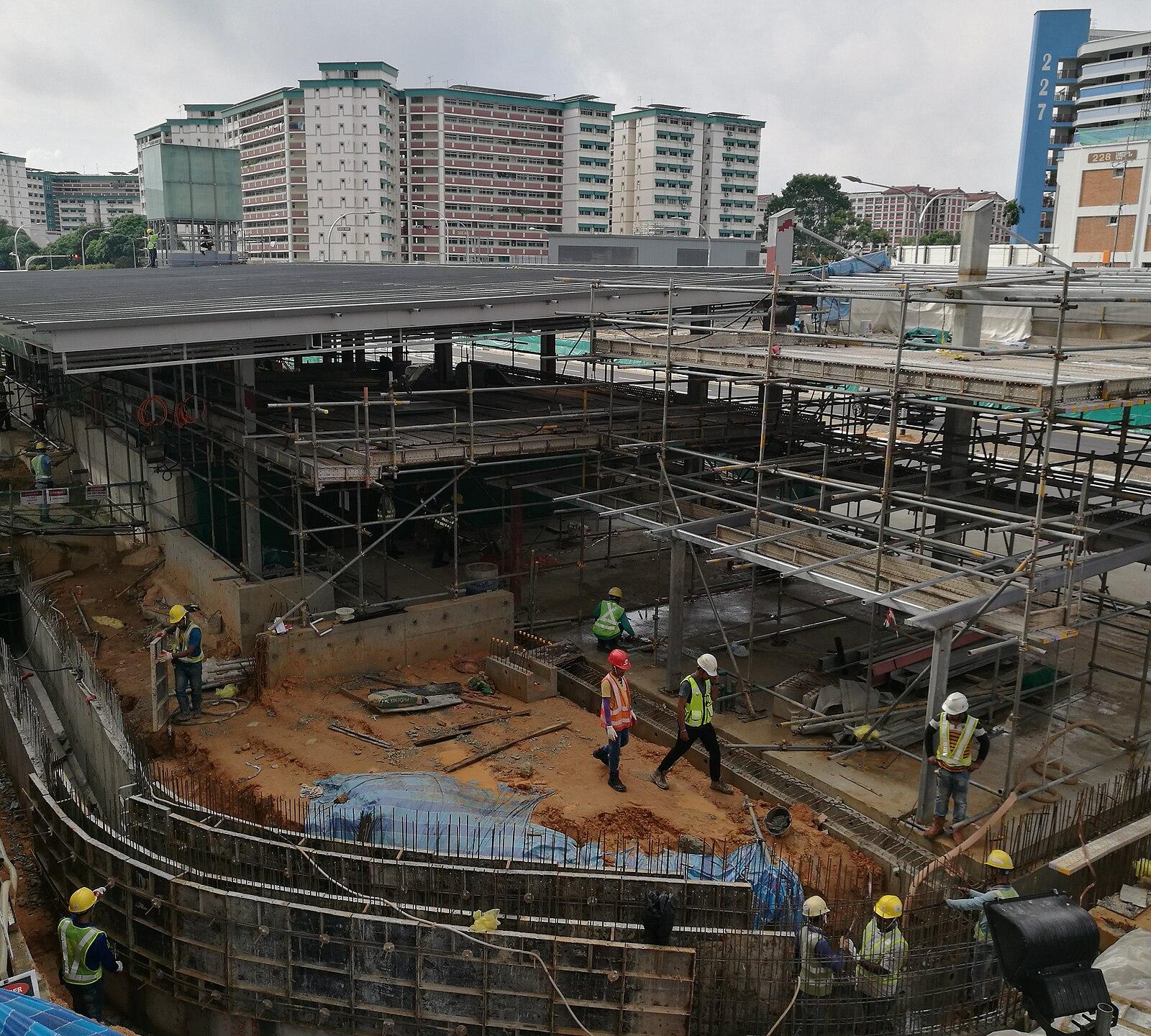
Tampines never truly sleeps. From SBS Transit bus captains finishing their rounds at Bedok Reservoir Road to essential workers clocking out at Changi General Hospital’s satellite clinics near Tampines Avenue 2, thousands in our neighbourhood face the challenge of irregular sleep patterns due to shift work.
Why Sleep Health Matters Now
Disrupted sleep is more than just a personal inconvenience. Studies from Singapore’s Health Promotion Board show that shift workers are at higher risk of chronic conditions such as heart disease, diabetes, and depression. In a town where NTUC FairPrice supermarkets on Tampines Street 32 bustle with staff overnight to keep shelves stocked and cafés like Doubleshot at Our Tampines Hub open early, interrupted sleep becomes as common as kopi orders at dawn. The reality: lack of rest creeps into all aspects of wellness, with research from the National University of Singapore revealing that nearly 40% of Singapore shift workers experience insomnia-like symptoms at least four times per week.
Local Resources and Programmes
Several Tampines-specific initiatives are helping residents fight back. The ActiveSG gym at Tampines Hub offers early morning yoga (S$12 a session) for night shift workers seeking calm after a gruelling overnight. Meanwhile, The PA Wellness Centre by Tampines Central Community Club recently launched its "Sleep Better" workshops, open to retail, security, and healthcare professionals. The workshops, held every second Thursday of the month at Block 866A, blend evidence-based sleep tips with practical exercises, such as breathing techniques and creating wind-down routines tailored for non-traditional schedules.
Staff nurse Lim, a regular attendee, told The Daily Tampines she noticed better mood regulation and less fatigue. While no magic bullet exists, consistent routines and supportive resources are improving sleep outcomes for locals whose schedules are dictated by the economy’s round-the-clock pulse.
What the Numbers Say
Singapore’s Manpower Ministry estimates that over 150,000 workers in the eastern region-including many in Tampines-are on rotating or night shifts. National Sleep Foundation guidelines recommend at least 7 hours’ sleep for adults, but a 2024 NTU study found that local shift workers averaged just 5.3 hours per 24-hour cycle. The costs are tangible: lack of sleep leads to more workplace accidents, increased sick days (estimated at S$1.2 billion per year nationwide), and even higher grocery bills as tired shoppers make less healthy food choices.
Sleep Solutions and Next Steps
For residents struggling with irregular sleep, experts at the Tampines Polyclinic recommend simple shifts: blackout curtains (S$30 at Tampines Mall’s Home-Fix), limiting caffeine after 2pm, and keeping consistent sleep and wake times, even when off duty. Free online resources, like HPB’s Restful Night Toolkit, can help residents build healthier bedtime routines. For those experiencing persistent fatigue, the Sleep Disorders Clinic at Changi General Hospital offers subsidised screening appointments for Tampines residents-from S$45 with a referral.
If you're a shift worker in Tampines, start small: take advantage of neighbourhood classes, tweak your environment, and don’t hesitate to book a check-in with a local professional if needed. In a neighbourhood that thrives around the clock, improved sleep isn’t just a wellness trend-it’s essential to keeping our community awake to life’s brightest moments.